



The way of the foot and the fist
Far more than a combat sport: a way. Taekwondo is the most practiced martial art in the world, and an art of living born in Korea. Here is the essential to discover it.
Three syllables that say it all
Tae, kwon, do: three syllables that sum up the whole art. The foot strikes, the fist strikes, and the path connects the two.
What is Taekwondo?
"The way of the foot and the fist." The same Do as in judo or aikido: an art that goes beyond technique to become a path. It is lived on three levels: traditional Korean martial art, world Olympic sport and art of living. An empty-hand art, renowned for its dynamic and powerful leg techniques.
You progress through grades. The beginner starts at the 10th keup (white belt) and moves up to the 1st keup, passing through the colors. Then come the dan, the black belts.
- WhitePurity, the very first step.
- YellowThe earth: the seed takes root.
- GreenGrowth: the plant rises.
- BlueThe sky: the horizon opens up.
- RedDanger, the sun: power and control.
- BlackMastery, where the true path begins.
Why practice?
Flexibility and range (the high kicks), endurance, strength, balance and coordination. The whole body works in every session.
Discipline, focus, self-confidence. Progression through belts gives a goal; the effort eases stress.
And above all: it is for everyone. Children, teens, adults, seniors: you can start at any age and progress at your own pace. No need to be flexible or athletic to begin.
From a mosaic of schools to an Olympic sport
Taekwondo has its roots in ancient Korean arts (taekkyon and subak) and in the spirit of the Hwarang. Modern Taekwondo reinvented itself in the 20th century from the karate learned during the Japanese occupation. From this synthesis was born an identity centered on the legs.
The kwans: the founding schools
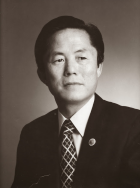
No single man "invented" Taekwondo. But one figure dominates its unification: General Choi Hong-hi (최홍희), who proposed the name "Taekwondo" in 1955 then founded in 1966 the first international federation, the ITF. In parallel, the Korean state gathered the schools within the Korea Taekwondo Association, then the Kukkiwon (1972): this current would become Olympic Taekwondo.
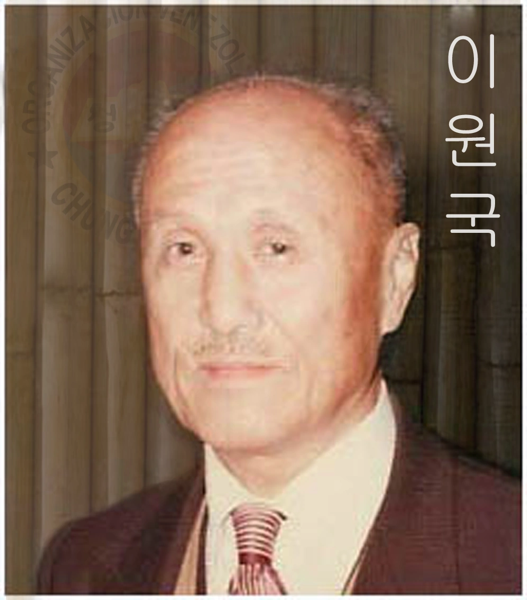
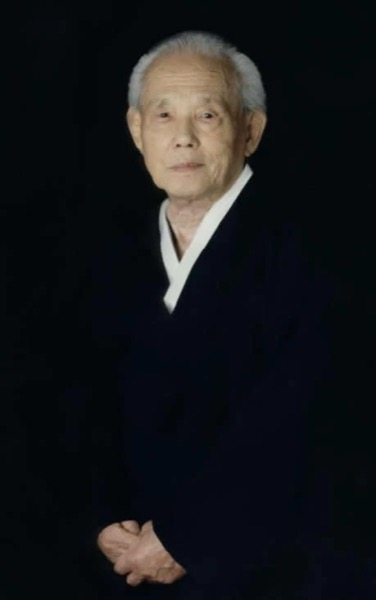
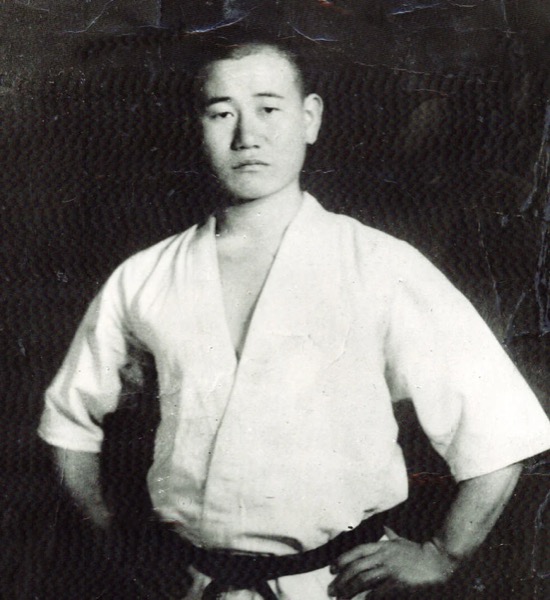
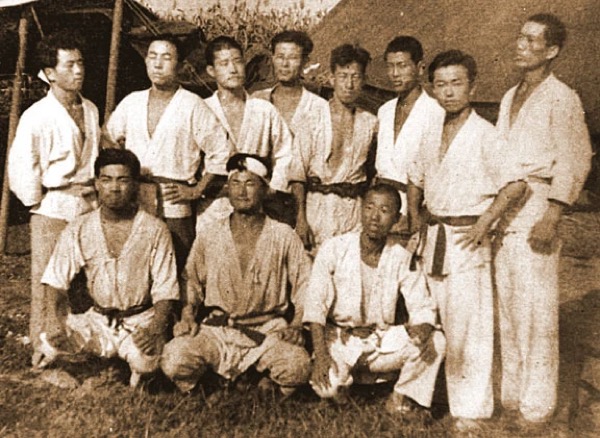
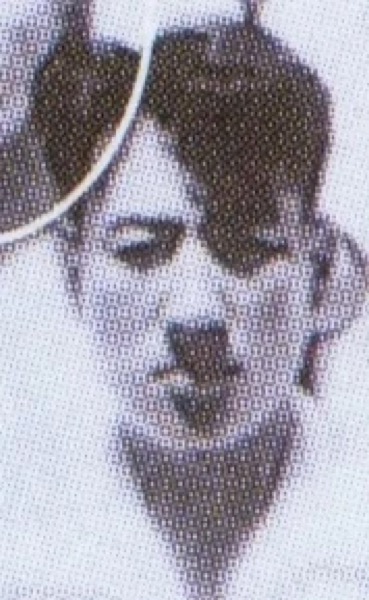
- 10th–16th c.Ancient Korean martial arts: subak and taekkyon, with their characteristic leg work.
- 1910–1945Japanese occupation: Korean masters train in karate, the technical base of the future schools.
- 1944–1946Birth of the "kwans," the founding schools of Seoul.
- 1955General Choi Hong-hi coins the name "Taekwondo," adopted to unify the schools.
- 1965The Korean federation takes the name Korea Taekwondo Association.
- 1972Inauguration of the Kukkiwon in Seoul, world headquarters and reference academy.
- 1973First World Championships and creation of the World Taekwondo Federation.
- 2000Sydney: Taekwondo becomes an official Olympic sport.
ITF and World Taekwondo
 ITF · International Taekwon-Do Federation
Founded by Choi Hong-hi (1966). Chang-hon style: its "tul" named after Korean heroes, light contact.
 World Taekwondo
Kukkiwon style, poomsae Taegeuk. The only family recognized at the Olympic Games (since Sydney 2000).
The philosophy: the five tenets
The Do (도, 道), "the Way," is the heart of Taekwondo. Inherited from the Confucian and Taoist traditions, it turns a fighting technique into a lifelong journey. Five tenets guide this way, lived every day at the dojang.
- 1Courtesy · 예의 · ye-uiRespect for others, politeness and humility. The virtue that holds the dojang community together.
- 2Integrity · 염치 · yeom-chiBeing honest with others and with oneself, knowing how to tell right from wrong.
- 3Perseverance · 인내 · in-naePursuing your goal despite the obstacles. Mastery is built over time.
- 4Self-control · 극기 · geuk-gi"To conquer oneself": controlling your movements as well as your thoughts.
- 5Indomitable spirit · 백절불굴 · baekjeol-bulgul"Broken a hundred times, never subdued": firmness in the face of injustice.
The student oath"I shall observe the tenets of Taekwondo and my master; I shall never misuse them; I shall be a champion of freedom and justice; I shall help build a more peaceful world."Recited at the start of the course, it engages the student well beyond technique.
A culture, not just a sport
At the center of the Korean flag is Taegeuk (태극, 太極), the “Supreme Peak”: the harmony of eum (blue) and yang (red), opposing and complementary forces from which the entire universe is born. Around it, the eight trigrams represent the forces of nature and give their name to the eight fundamental poomsae.
You take off your shoes, you bow (kyeongnye), you wear the dobok. The dojang, "the place where one follows the Way," rests on an etiquette of respect. Proclaimed national martial art in 1971, Taekwondo has its world headquarters in Seoul: the Kukkiwon (국기원), the reference authority for techniques, poomsae and dan grades.
A little Korean glossary
- 태권도Taekwondo跆拳道The way of the foot and the fist
- 도Do道The Way, the path of life
- 품새Poomsae品勢Form: codified sequence
- 겨루기KyorugiThe sparring (Olympic event)
- 격파Kyokpa擊破The breaking of boards
- 도장Dojang道場The training hall
- 도복Dobok道服The uniform ("garment of the Way")
- 사범님Sabeom-nimThe master / head instructor
- 태극Taegeuk太極The "Supreme Ultimate" (eum-yang)
- 국기원Kukkiwon國技院The world headquarters of Taekwondo
Ready to follow the Way?
Two ways to continue: understand the belt journey, or dive into the poomsae.
Content verified from reference sources (Kukkiwon, Taekwondo Wiki, Wikipedia). Portraits, emblems and logos: Wikimedia Commons & Taekwondo Wiki (rights of their holders).